When I first arrived in Cappadocia, I expected the hot air balloons and otherworldly landscapes to be the main attractions; instead, it was the local cuisine that truly captivated me.
On these platforms, you'll find a multitude of options and competitive prices. We've been using them for many years!
Compared to the bustling restaurants of Istanbul, the food here is simpler, unhurried, and deeply connected to the flavors of the land itself. Many restaurants are situated within caves or stone dwellings, offering the unique experience of dining—quite literally—inside the earth.
During my few days in Cappadocia, I was constantly delighted by the food: from traditional kebabs and slow-cooked clay pot stews to simple breakfasts at street-side cafes. The dishes themselves were not complex, yet the way they harmonized with the surroundings made every meal feel special.
My First Meal in a Rock Restaurant: Starting with Clay Pot Kebab
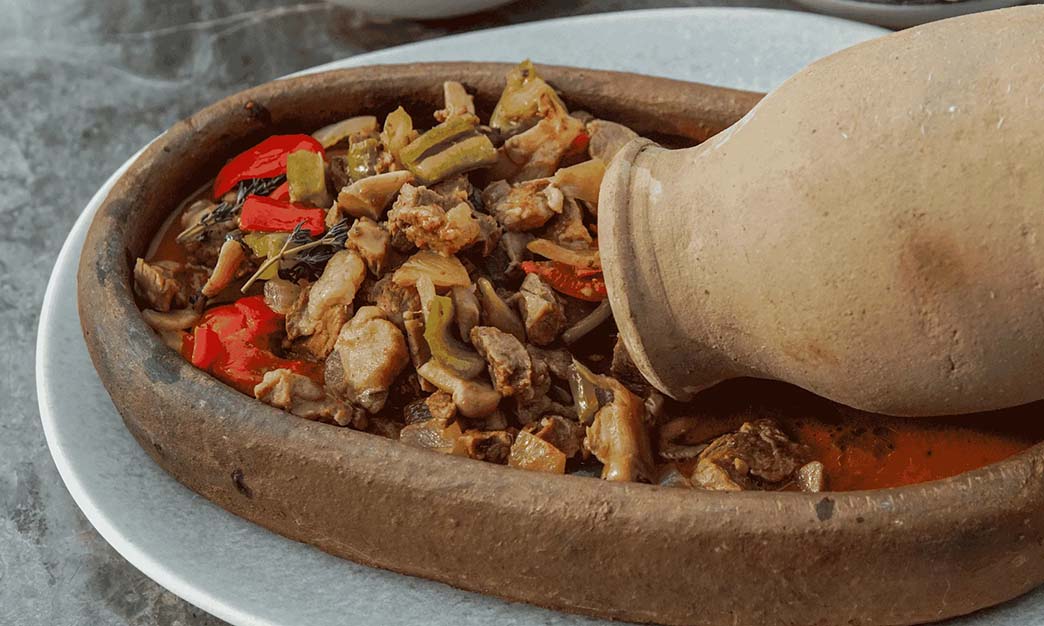
My first formal dinner in Cappadocia featured a local specialty—Testi Kebab (clay pot kebab)—served in a quintessential cave restaurant.
I felt a mix of curiosity and anticipation when the waiter brought out a sealed clay pot. Then, using a small hammer, they cracked open the sealed top; a rush of steam and savory aroma instantly wafted out—a moment that felt truly ceremonial.
Inside lay a mixture of slow-cooked beef, tomatoes, onions, and spices; the meat was so tender it practically melted in the mouth. Each bite was rich with meaty flavor and a subtle smokiness. As I ate, I couldn’t help but think that this style of cooking mirrored the rhythm of life in this region: slow, steady, and patient.
Sitting in that rock restaurant, watching the candlelight flicker against the stone walls, I felt less like I was merely having a meal and more like I was participating in an ancient way of life.
Turkish Breakfast: A Gentle Start to the Day
The next morning, I enjoyed a classic Cappadocian breakfast on the terrace of my cave hotel.
The table was laden with an array of small dishes: olives, cheeses, cucumbers, tomatoes, honey, jams, and freshly baked bread. It looked simple, yet the combination offered a rich variety of flavors. What impressed me most was the combination of local honey and cream spread over warm bread—a soft, sweet harmony in every bite. Paired with a cup of Turkish black tea, the entire morning felt wonderfully serene.
As I ate, I watched hot air balloons slowly rise into the sky in the distance; it was a feeling hard to describe—a moment where food, scenery, and the passage of time seemed to converge.
Beyond Pottery Kebab: The World of Grilled Meats—Simple Yet Powerful
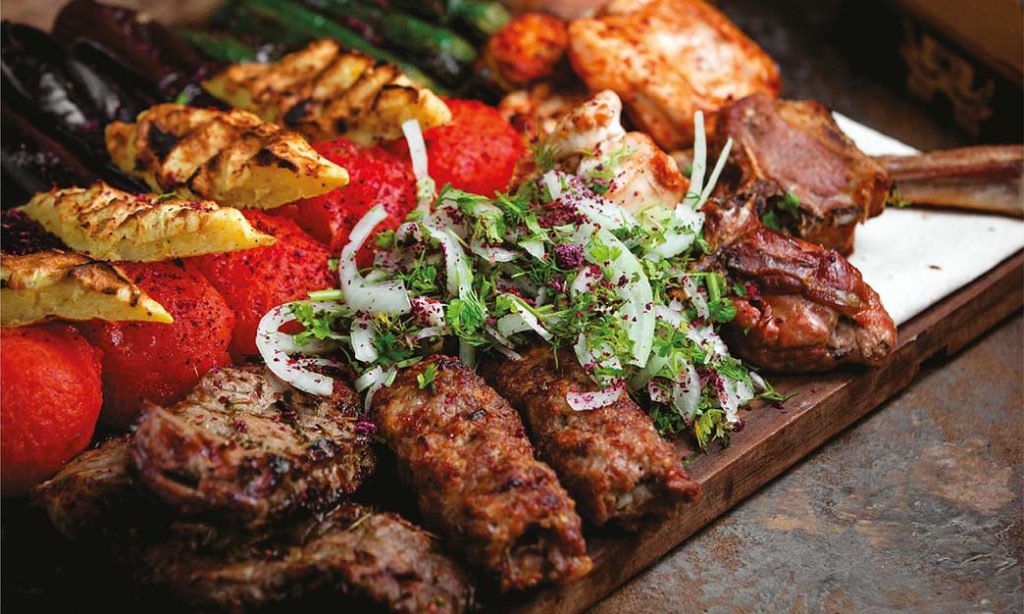
In Cappadocia, the culinary landscape offers far more than just the famous pottery kebab. I sampled various local grilled lamb and chicken skewers, each one embodying a philosophy of cooking that was simple yet spot-on.
The meat wasn’t heavily seasoned, relying instead on the aroma of the charcoal fire. The exterior was slightly charred while the inside remained juicy—a mastery of heat control that left a lasting impression.
Once, at a small-town restaurant, I ordered a mixed grill platter served with roasted vegetables and rice. It wasn’t flashy, but it was a hearty, substantial meal. The satisfaction it provided—born of real fire and time—was something a fine-dining establishment couldn’t replicate.
Cave Cafés: Coffee at a Leisurely Pace
In Cappadocia, cafés are almost exclusively “slow-paced spaces.”
I particularly enjoyed sitting in a rock-hewn café with a cup of Turkish coffee. It was incredibly strong, with grounds settling at the bottom, yet the experience of drinking it was unhurried.
The coffee was usually served with a piece of Turkish delight (lokum); the sweetness was distinct but never cloying. The interplay of the coffee’s bitterness and the sugar’s sweetness made for a wonderfully quiet afternoon.
On one occasion, I sat in a cave café gazing out at the valley, doing nothing but daydreaming. In that moment, I realized that the food here wasn’t meant for “quick gratification,” but rather for “extending time.”
Street Food: Simple Pleasures of Everyday Life
Beyond the restaurants, the streets of Cappadocia’s towns offered simple, unpretentious snacks.
There was freshly roasted corn, warm bread rolls, and simple flatbreads. These foods lacked fancy names or elaborate plating, yet they felt deeply connected to the rhythm of everyday life. Once, in the town of Göreme, I bought a simple snack—hot bread filled with cheese—and ate it while walking. The wind was strong, yet the bread remained warm; that sensation of eating on the go captured the authentic feeling of travel.
Dessert Time: The Sweetness and Richness of Baklava
Desserts are ubiquitous in Cappadocia, but the classic choice remains baklava.
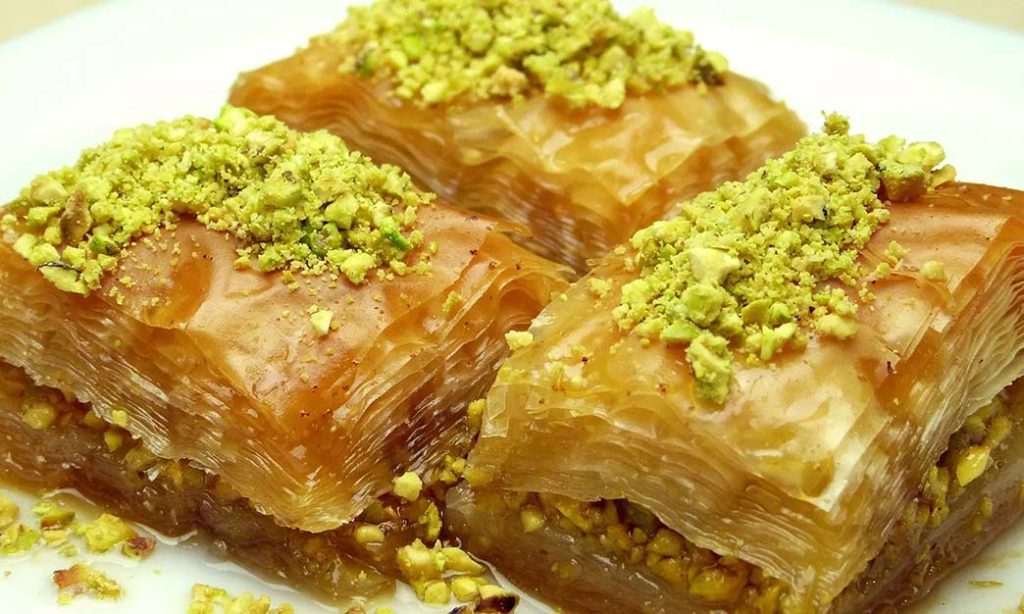
The version I tried at a family-run restaurant featured incredibly thin, flaky pastry layers filled with nuts and honey. It was intensely sweet, yet paired perfectly with tea.
Each bite offered layers of sensation: first the crispness, then the sweetness, and finally, the nutty aroma slowly unfolding.
I found myself slowing down as I ate dessert here, for every bite was worth savoring.
The Taste of Cappadocia is a “Life Slowed Down”
Reflecting on my meals in Cappadocia as I departed, I realized that while the food wasn’t overly complex, it was deeply satisfying and complete.
Pottery kebab taught me about the “cooking of time”; breakfast offered a gentle start to the day; grilled meats revealed the direct power of fire; coffee taught me the art of pausing; and desserts added a touch of softness to the journey.
The food here doesn’t strive for artificial complexity; instead, it relies on nature, the mastery of heat, and a natural rhythm.
If Cappadocia’s landscapes took my breath away, it was the food that truly made me want to stay. For the flavor lies not just on the palate, but in that state of living life at a slower pace.
Leaving was bittersweet—not just because of the scenery, but because of those meals shared in rock-hewn restaurants, cave cafés, and along the streets of the town.